
Theory meeting practice
This project developed from my master's research into stream art and the creative methods surrounding UKRAiNATV. It examines streaming not only as a distribution technology, but as an artistic medium shaped by live image, sound, interface, collaboration, simultaneity, and network conditions — connecting academic research with practical experimentation rather than treating the thesis as a document alone.
What the thesis covers
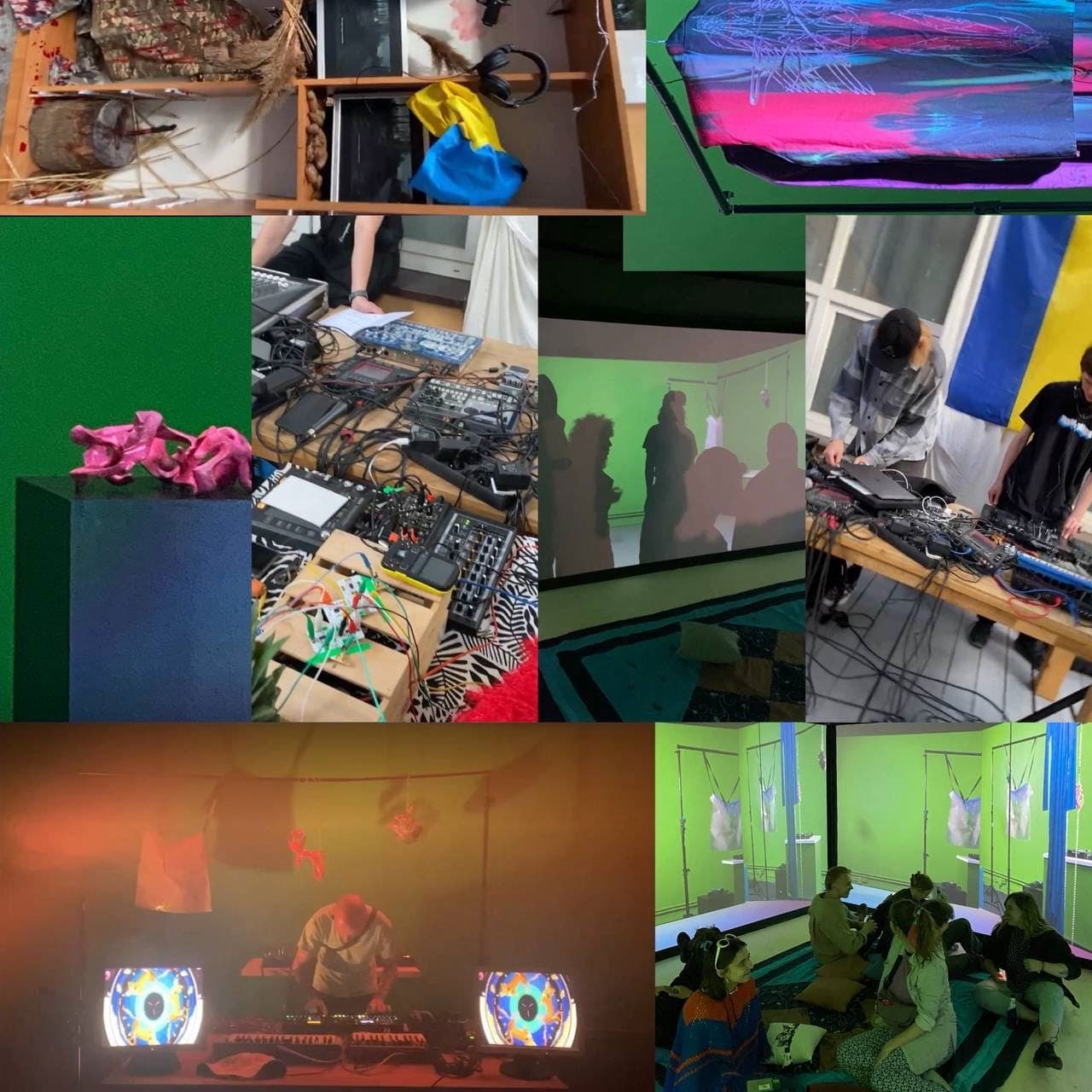
It traces where stream art comes from — the early internet and Web 1.0 to 3.0, platform capitalism and digital neo-colonialism, the transformation of television, tactical media, and pirate and artist TV from Solidarność TV and Paper Tiger Television to Next 5 Minutes and THE VOID (T.V.). It then studies UKRAiNATV as a case: its history, the hardware and software of Stream-Art Studio, its virtual and hybrid spaces, its manifestos, and a selection of its more than a hundred EFIRs, alongside interviews with artists, curators, and participants.
#EFIR
UKRAiNATV episodes are called EFIRs, from the Ukrainian ефір. The word carries old meanings: from the Greek aithēr, the pure upper air where the gods lived; the fifth and subtlest element of ancient and medieval natural philosophy; and, until the twentieth century, the hypothetical medium through which light and radio waves travel. Today it simply means "on air".
A scheme others can use
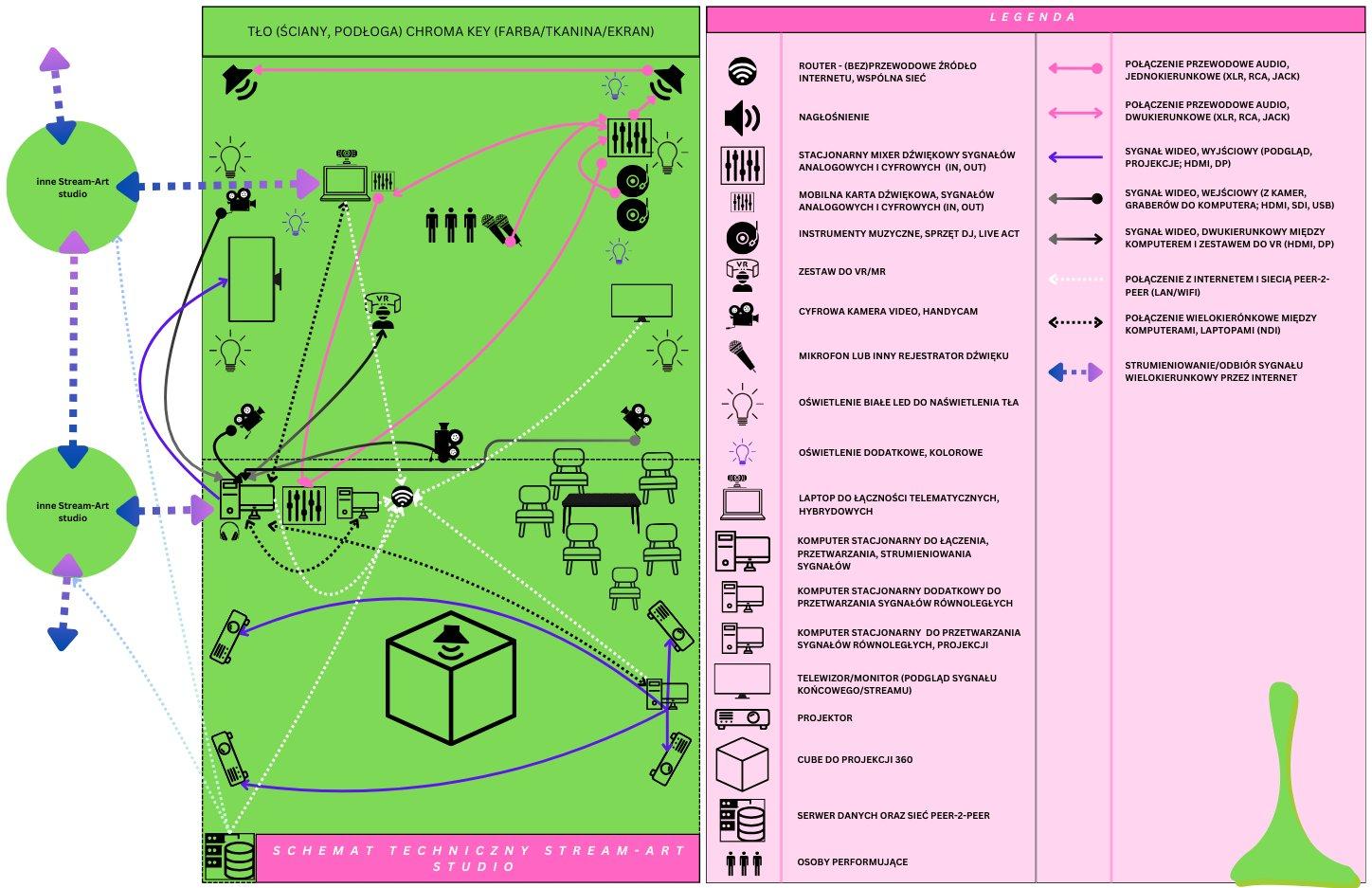
One outcome of the research is a technical-communication scheme of Stream-Art Studio, mapping cameras, sound, remote participants, platforms, and signal flow — written so that others can build their own stream-art spaces from it.
Findings
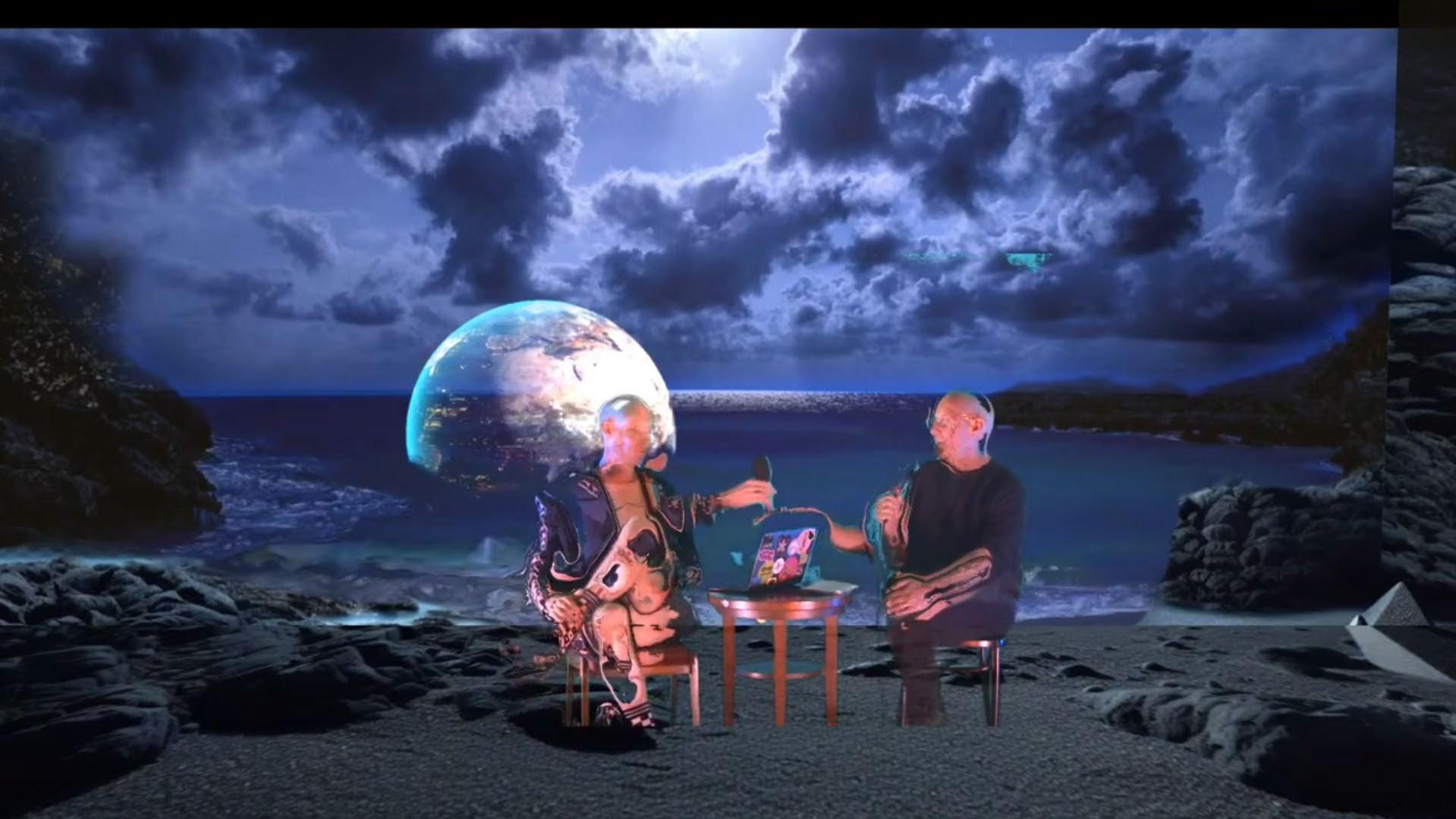
Hybridity is the key idea: the coexistence and fusion of different orders, modes of action, and practices, with humans and non-humans (avatars, data, machines) present at once, offline and online. Stream art differs from telematic performance, where the flow is usually narrow, one performer controls the message, and the viewer stays passive. In stream art the flow runs in many directions, participants change what happens in real time, and the relationship between maker and audience becomes more equal and co-creative.
A Short Philosophy of UKRAiNATV
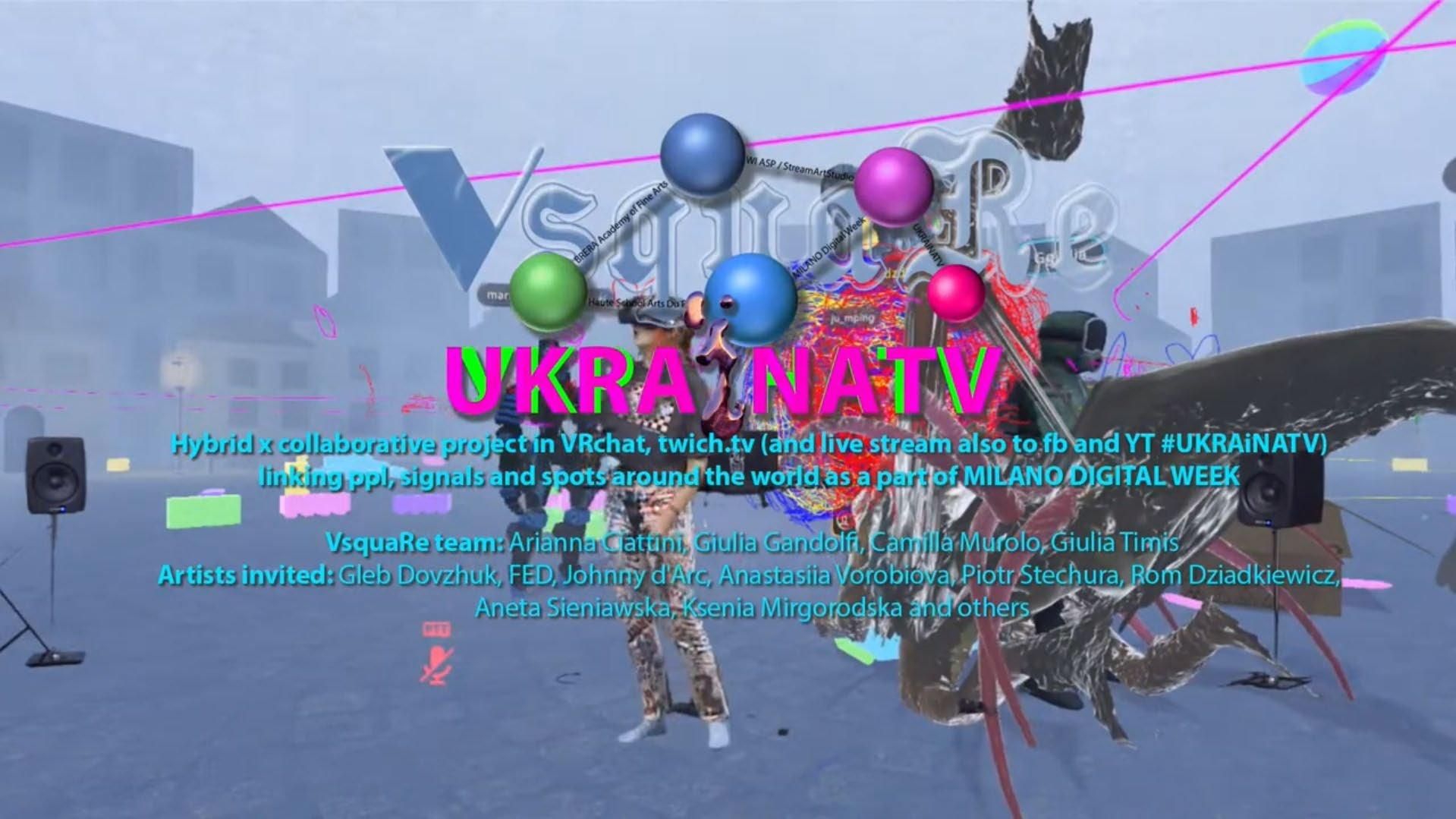
In 2025 Sofia Reznichenko and I extended the research in an essay for the Institute of Network Cultures' Tactical Media Room. It describes UKRAiNATV as a distributed streaming practice born from displacement after the full-scale invasion, and names its core practice: EFIRISATION, the ritual of attuning oneself to the shared field of signal and presence. Around it sit anti-diplomacy (cultural transmission without institutional mediation), infrastructural poetics (making cables, protocols, and labour visible), ephemeral archiving across drives, borders, and peer-to-peer networks, and the avatar as reincarnation.
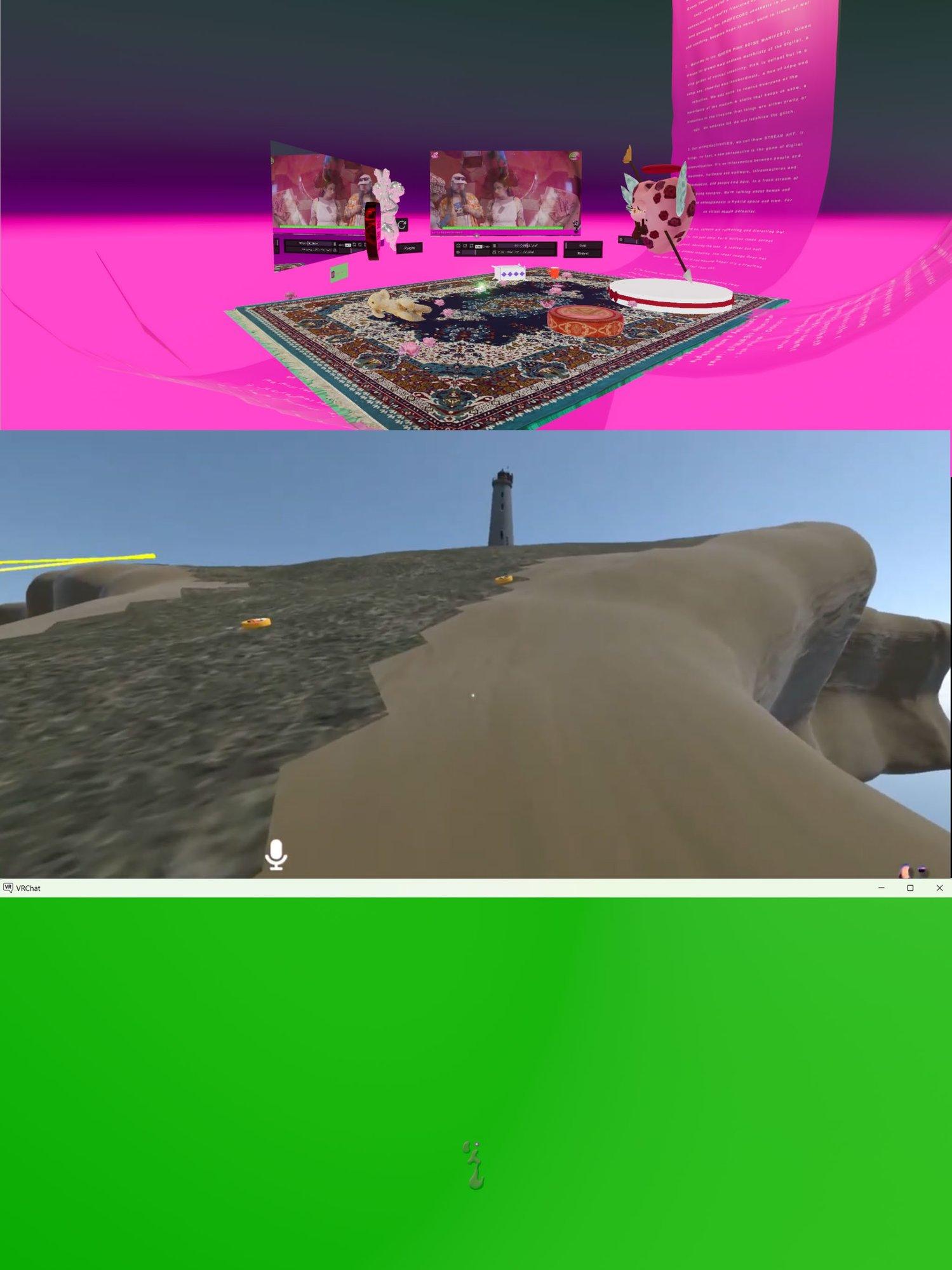
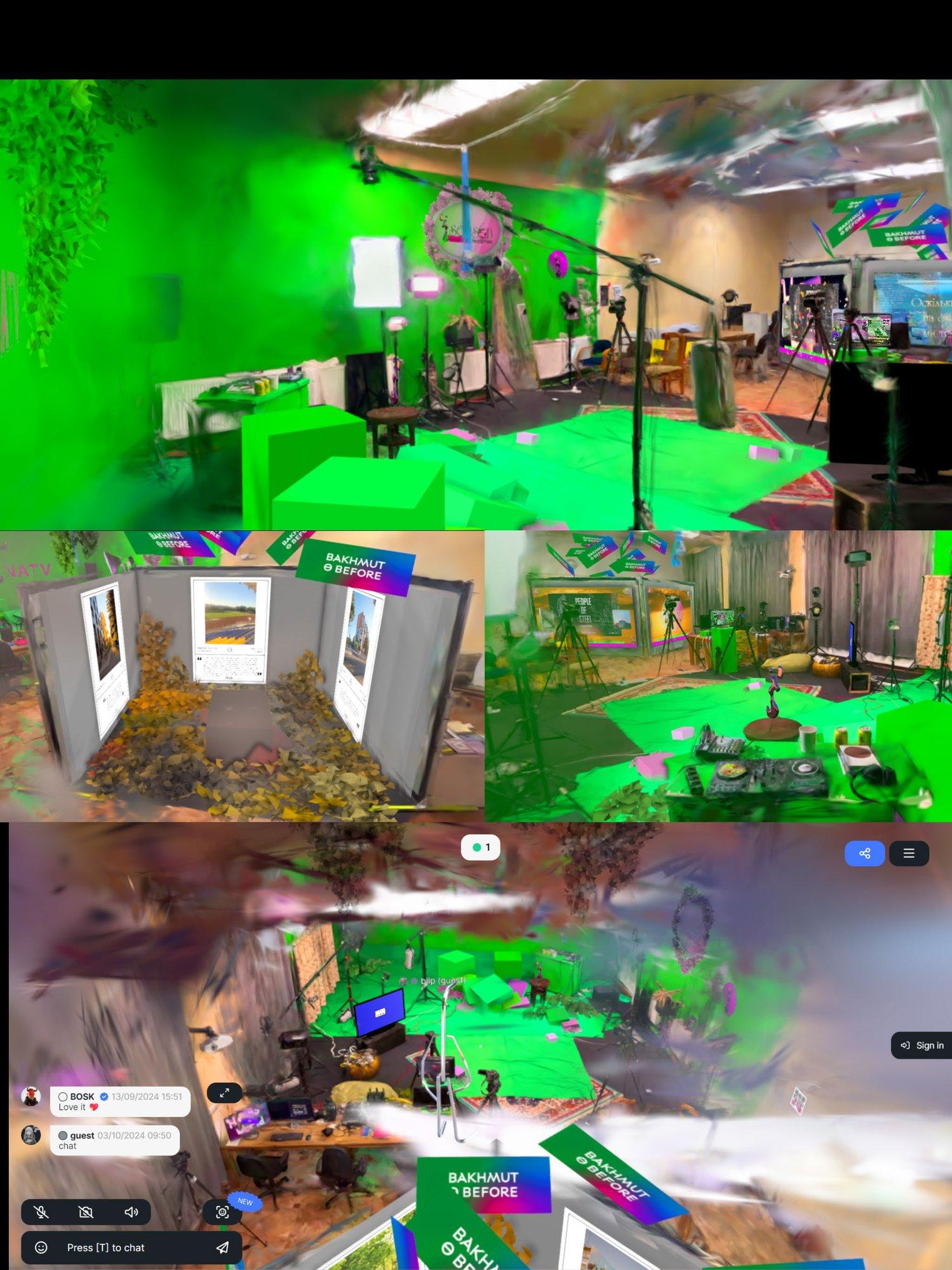
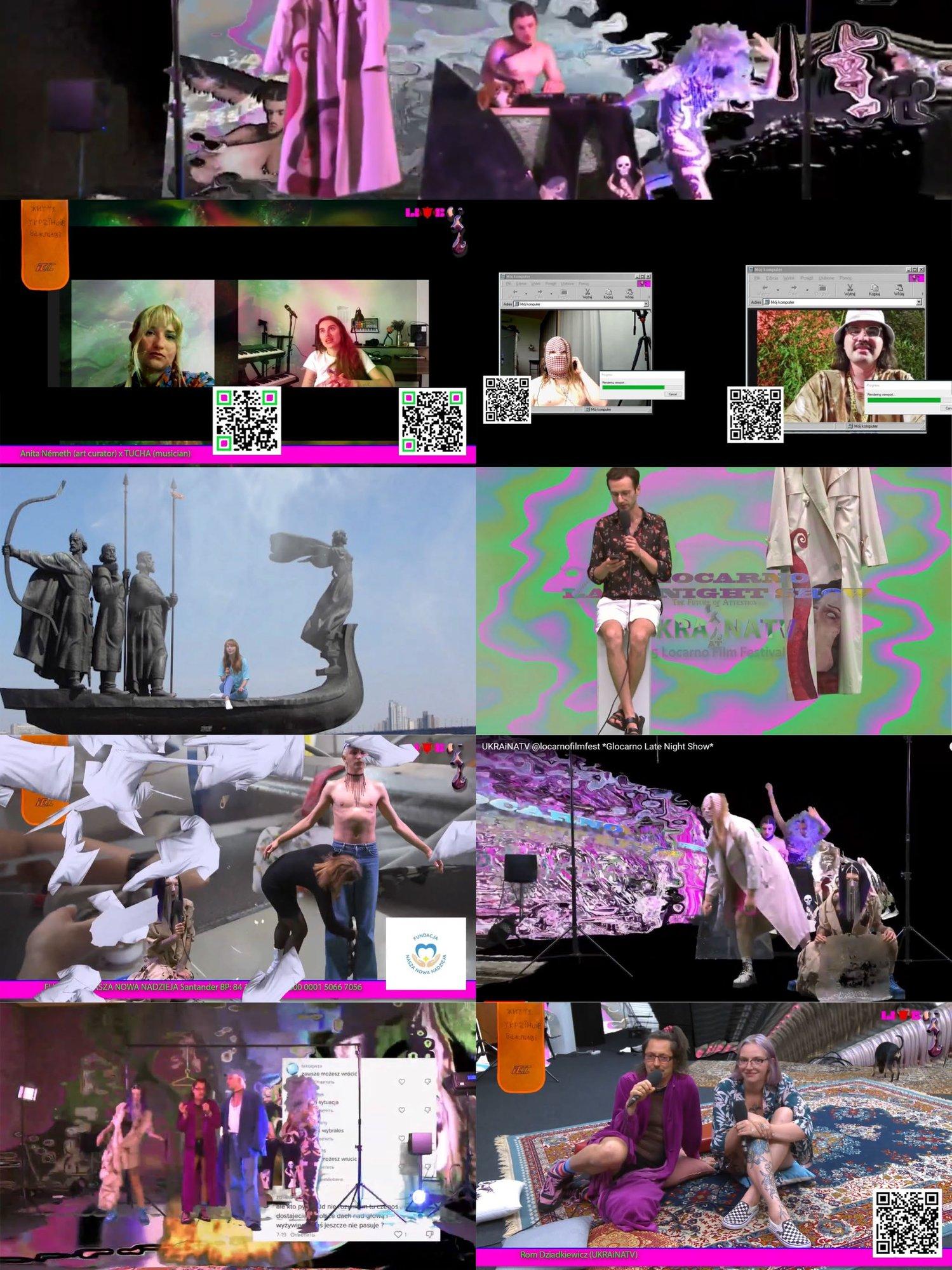
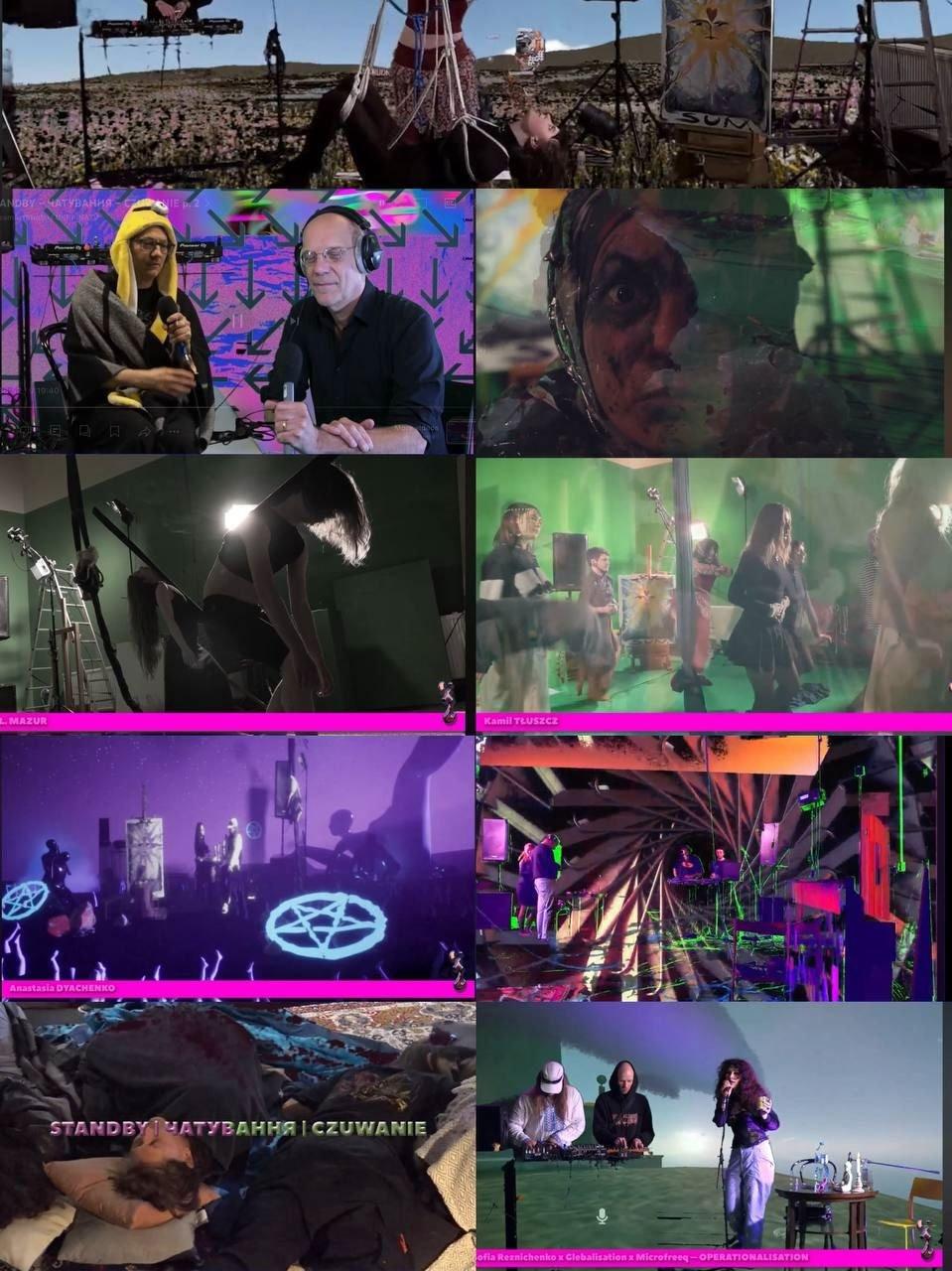
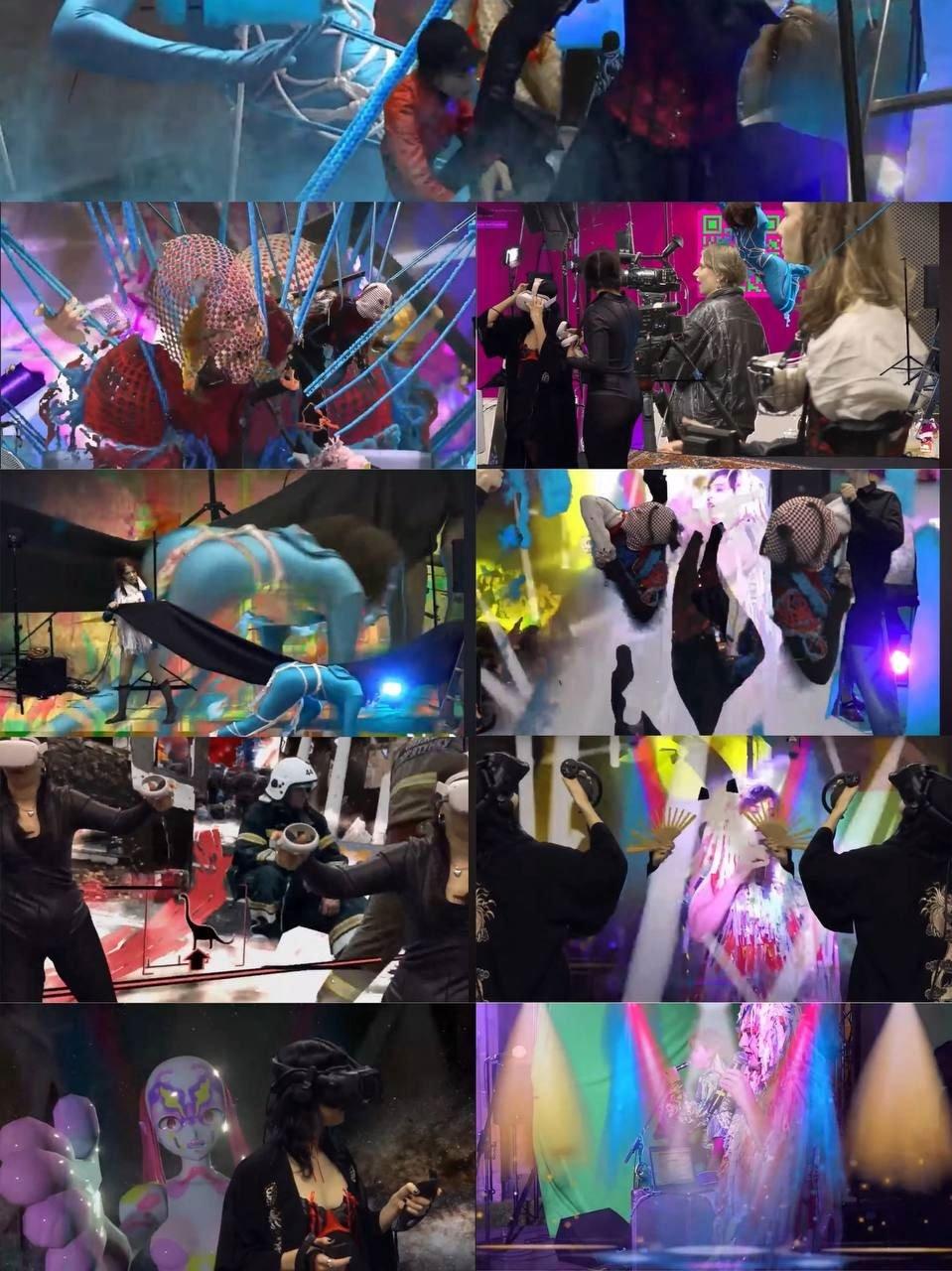
Writing this thesis forced me to name what I'd only been doing intuitively through UKRAiNATV — that a stream is a designed environment, not just a pipe for video. That reframing is the thread connecting everything from a single poster to a live broadcast: every piece of work is a decision about how attention and perception move through a system.