Design is the ability to change perception before words appear.
Every identity, every poster, every frame of motion, every sound, every interaction teaches us how to see the world differently. Before we understand an idea intellectually, we experience it emotionally. That moment — when perception shifts — is where design begins.
I don't see design as decoration, and I don't see technology as the goal. Software changes. Trends disappear. New tools emerge every year. What remains valuable is the ability to observe, connect ideas, and transform complexity into experiences that people can understand, remember, and feel.
I believe the strongest creative work is built through systems, not isolated outcomes. A visual identity should extend naturally into motion. Motion should influence sound. Sound should shape atmosphere. Every element should belong to the same language, creating something larger than the sum of its parts.
Curiosity is the foundation of my process. Every project starts with questions rather than answers. Research, experimentation, and iteration are not separate stages — they are continuous. I believe some of the most valuable ideas are discovered through exploration, unexpected connections, and the willingness to challenge assumptions.
Technology expands creative possibilities, but it should never become the protagonist. The most memorable experiences are not those that showcase technical complexity — they are those where technology becomes invisible, allowing emotion, clarity, and intention to take its place.
I am interested in work that changes perspective. Sometimes that change is subtle — a clearer identity, a more meaningful interaction, a stronger visual system. Sometimes it is ambitious — creating new ways of experiencing information, culture, or digital space. In every case, the objective is the same: to create experiences that remain with people long after the screen is gone.
Hope is an important part of that philosophy.
Not optimism without reason, but the belief that thoughtful design can improve communication, inspire curiosity, and create new possibilities. Every project begins with the assumption that something can become clearer, stronger, more human, or more memorable.
GLEBALISATION is an evolving design system. It brings together visual identity, motion, sound, interaction, and experimentation. Each project and collaboration adds to an ongoing process of change.
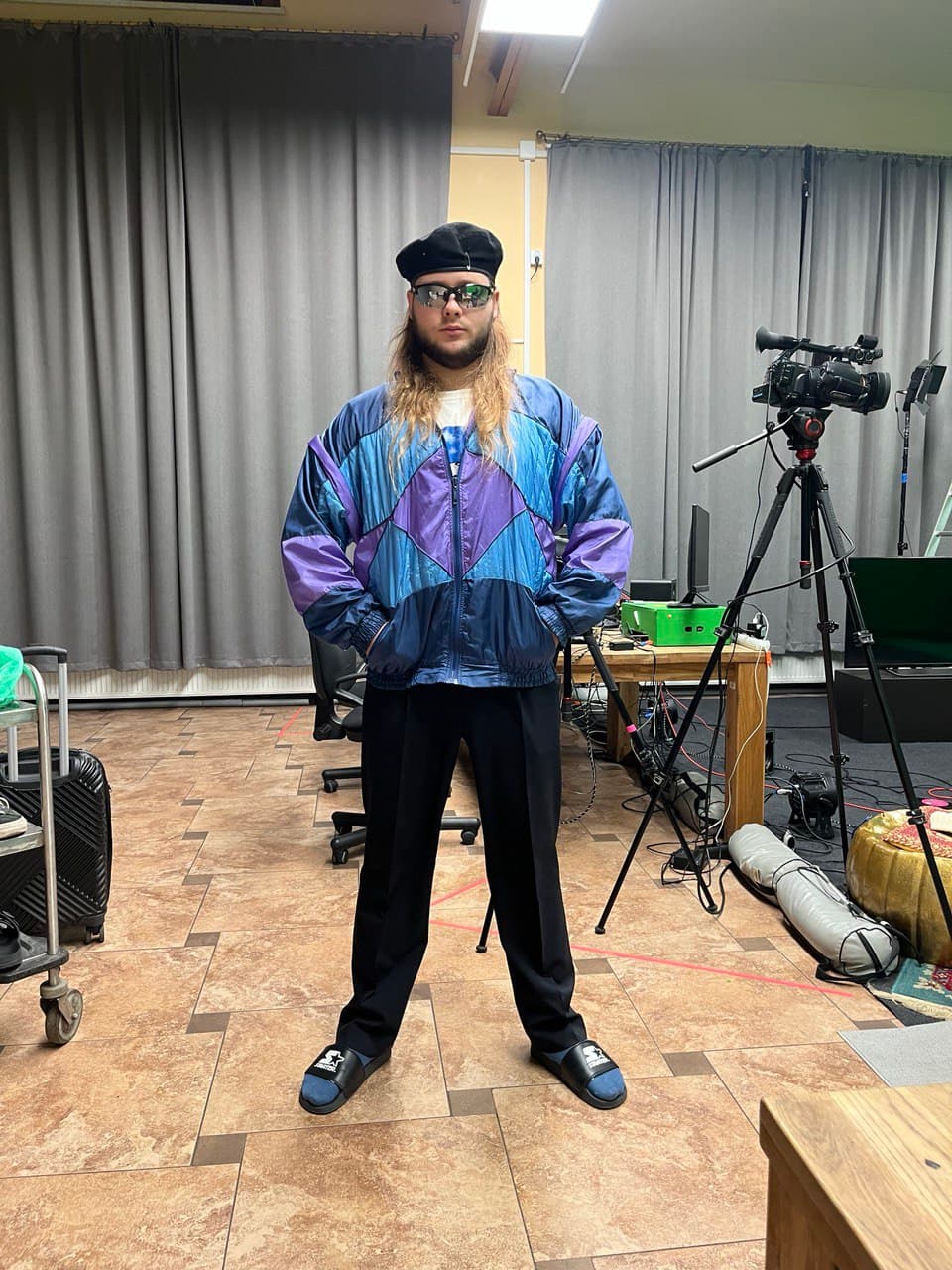
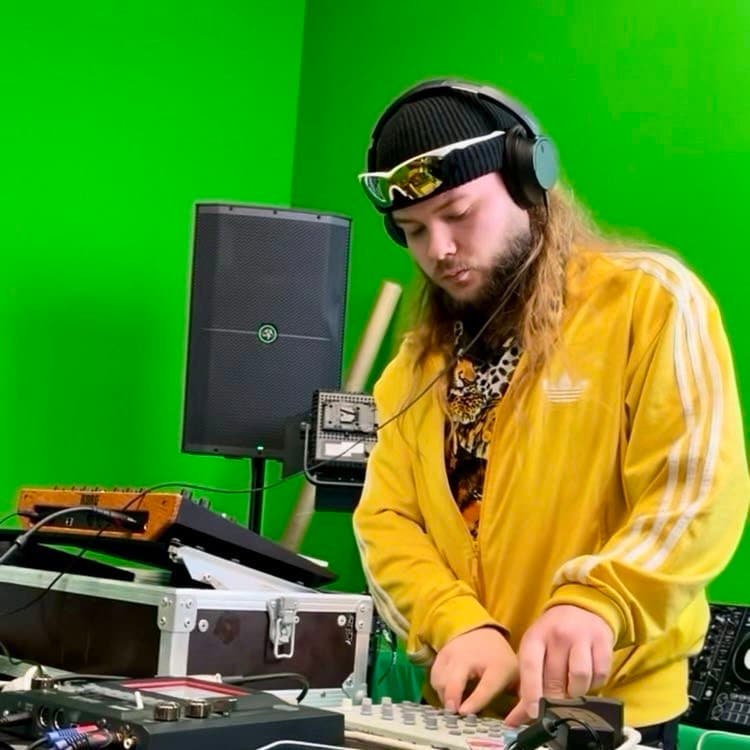
Hlib Dovzhuk is a multidisciplinary designer based in Kraków, Poland, working across visual identity, graphic design, motion, video, sound, and interactive experiences. His practice focuses on building creative systems that connect disciplines rather than treating them as separate fields, combining strategic thinking with strong visual execution.
Born in Ukraine, Hlib's work has been shaped by the intersection of culture, technology, and communication. He holds a Master's degree in Cultural Studies with a specialization in Graphic Design and Visual Communication, where his research explored the relationship between digital media, art, and emerging technologies. Alongside commercial and cultural projects, he has collaborated with international research initiatives and interdisciplinary teams, contributing to projects at the intersection of design, media, and innovation.
His portfolio ranges from visual identities and editorial design to motion graphics, creative direction, event branding, digital experiences, and experimental interactive work. Recent projects include developing the identity and digital ecosystem for Beauty Expert Summit, creating the visual language for NOCTURNA, and leading creative work for UKRAiNATV.
Hlib approaches every project as a system rather than a collection of individual deliverables. He believes that typography, motion, sound, interaction, and storytelling should work together to create meaningful experiences. Through GLEBALISATION — his evolving creative platform — he explores how thoughtful design can change perception, inspire curiosity, and transform complex ideas into memorable visual experiences.